
Sludge Dewatering Polymer Guides
Practical guides for sludge polymer selection, belt press, centrifuge, screw press, dose calculation, testing, troubleshooting and supplier RFQs.
- INPUT
- stream data
- CHECK
- active basis
- OUTPUT
- measured result
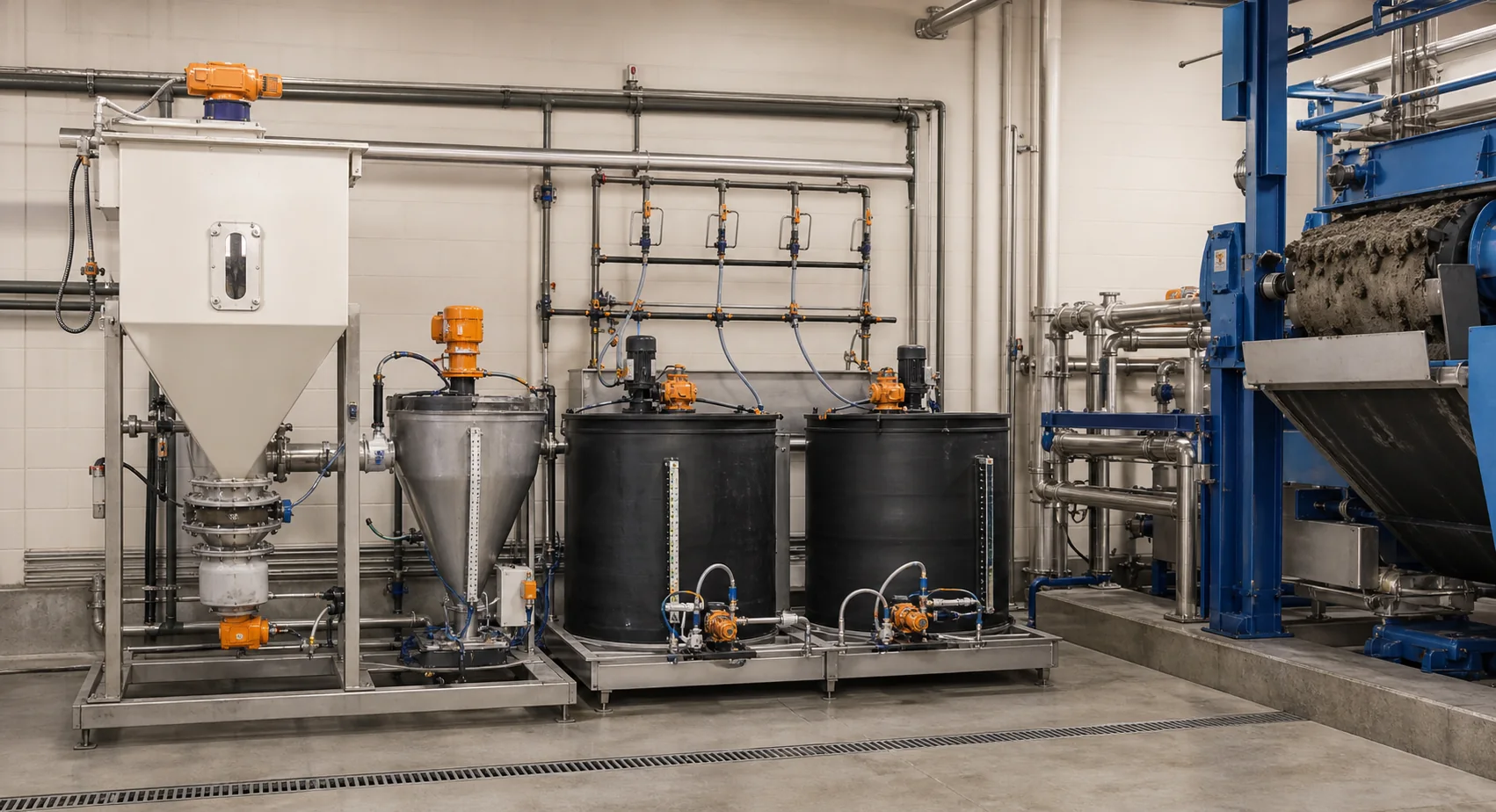
Move from sludge evidence to a measurable decision.
Match sludge and equipment evidence to a grade, trial or purchasing decision.
Operating and selection fundamentals
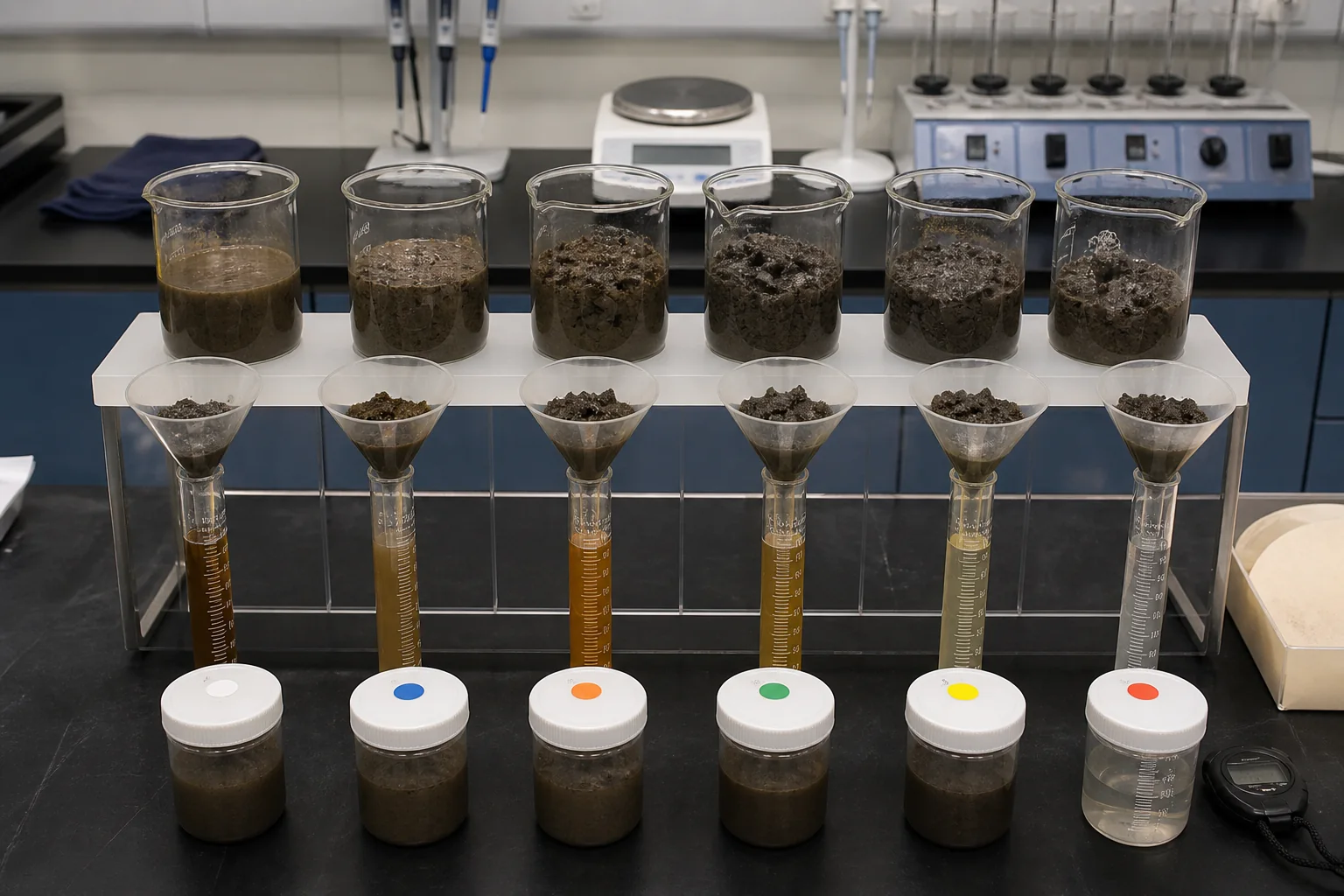
How to Choose Sludge Dewatering Polymer by Sludge Type
A practical selection workflow for sludge dewatering polymer based on sludge origin, dry solids, chemistry, equipment, testing and plant acceptance.
Review qualification →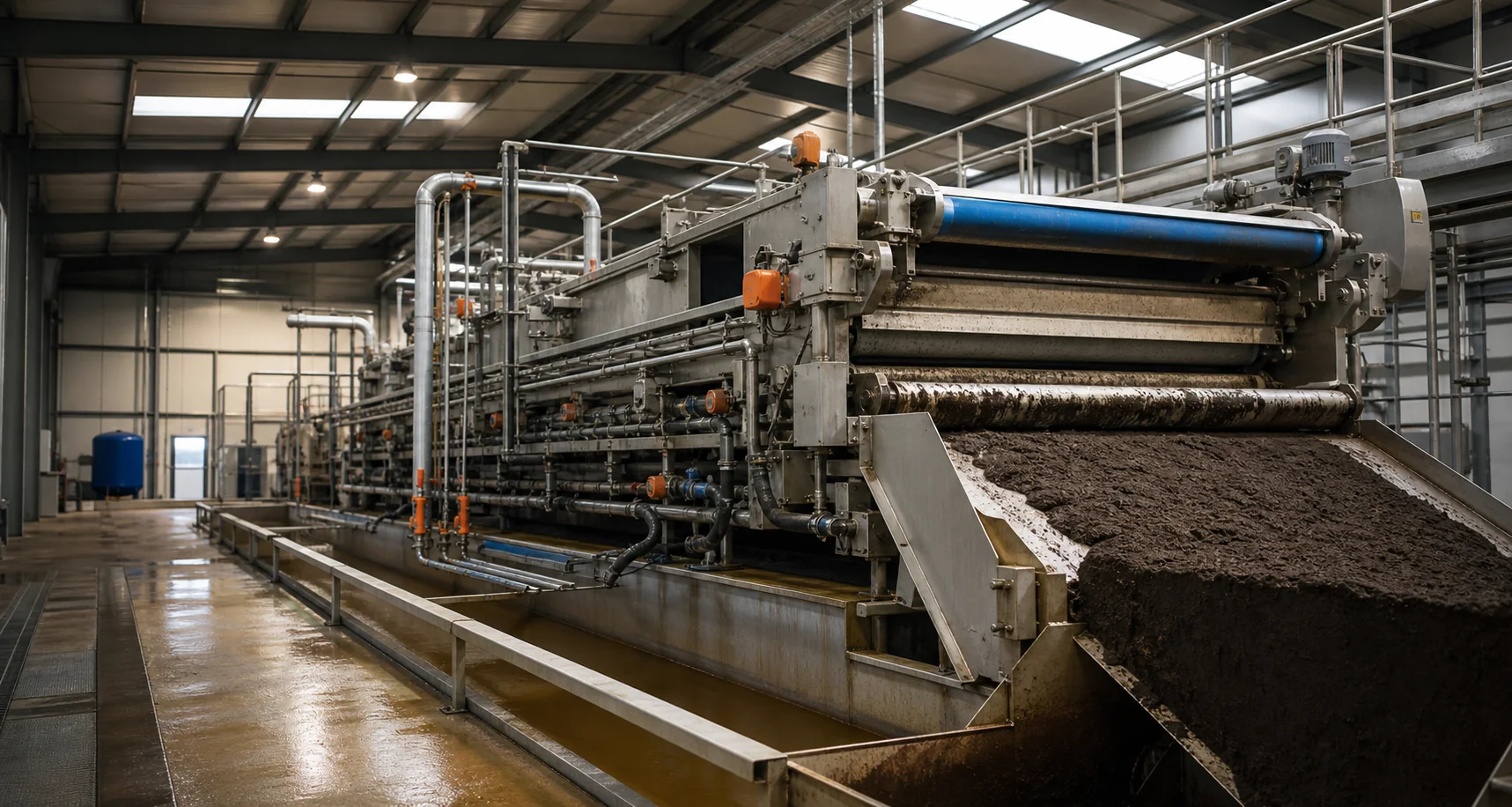
Belt Filter Press Polymer Selection: Drainage, Capture and Cake
Compare belt press polymer by gravity drainage, floc strength, solids capture, cake dryness, release, throughput and active dry-solids dose.
Review qualification →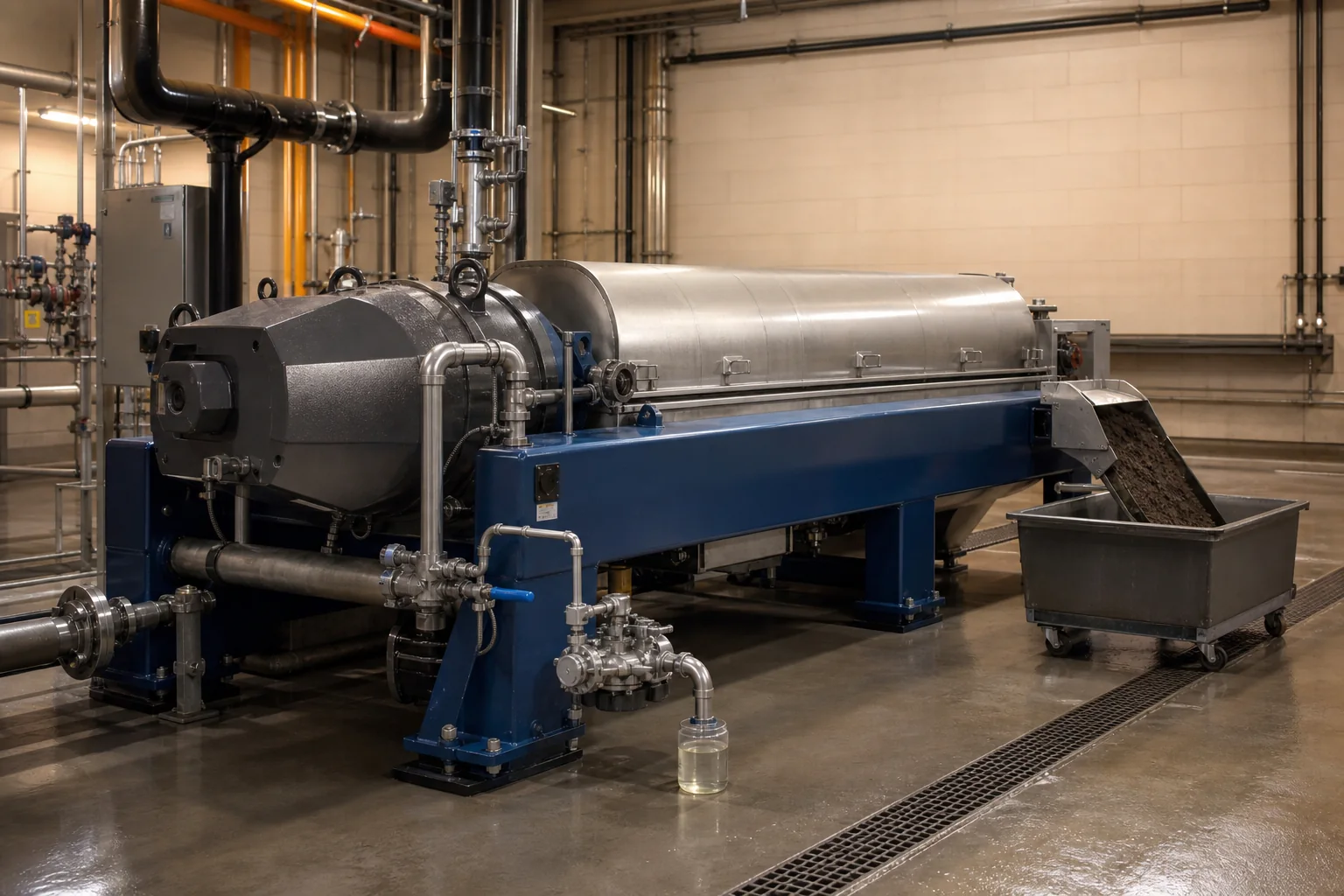
Centrifuge Polymer Selection: Torque, Centrate and Cake
Select centrifuge polymer with matched feed conditions, shear challenge, centrate, cake solids, torque, throughput and active dose.
Review qualification →
Screw Press Polymer Selection and Floc Size
Choose screw press polymer by resilient floc size, screen drainage, filtrate, cake discharge, loading and dry-solids dose.
Review qualification →Sludge Dewatering Polymer Dose Calculation on Dry Solids
Calculate sludge dewatering polymer dose from sludge flow, feed solids, product active content and polymer feed, then compare performance on one basis.
Review qualification →Sludge Dewatering Polymer Test: Drainage and Filtrate
Run a repeatable sludge polymer screening test using current samples, active dose, controlled mixing, drainage, filtrate and floc resilience.
Review qualification →Why Sludge Dewatering Polymer Stops Working
Troubleshoot loss of sludge polymer performance through feed change, dose basis, make-down, delivery, machine condition and controlled reference tests.
Review qualification →
Sludge Dewatering Polymer Supplier RFQ Checklist
Prepare a sludge dewatering polymer RFQ with feed data, equipment, active-dose evidence, acceptance criteria, documents, packaging and delivery terms.
Review qualification →Grade, price and preparation
Cationic Sludge Dewatering Polymer: What to Put in a Grade Specification
Specify cationic sludge polymer with a defined charge basis, product form, preparation and demonstrated dewatering window before comparing offers.
Review qualification →Sludge Dewatering Polymer Price: Compare Chemical and Wet-Cake Costs
Compare sludge polymer offers using active consumption, captured solids, wet-cake mass and disposal cost rather than price per bag alone.
Review qualification →Dry Sludge Dewatering Polymer Purchase: Check Feeder and Aging Capacity
Qualify dry polymer supply against feeder turndown, wetting water, aging volume and peak dry-solids duty before placing a bulk order.
Review qualification →Emulsion Sludge Dewatering Polymer Quotes: Review the Conversion Scope
Request an emulsion sludge-polymer proposal with inversion, storage, pump, active-basis and trial requirements before converting from powder.
Review qualification →Samples, tenders and supply approval
How Much Sludge Dewatering Polymer Should a Plant Trial Order Include?
Estimate polymer trial quantity from active dose, dry-solids loading, stabilization, repeat points and preparation losses without oversizing the first order.
Review qualification →Changing Sludge Dewatering Polymer Supplier: Plan a Fair Crossover Trial
Qualify a replacement sludge polymer with coded samples, line clearance, return checks and matched machine conditions before changing the supply code.
Review qualification →Municipal Sludge Polymer Tenders: Set Performance Gates Before Bid Ranking
Define sludge-polymer tender testing, dry-solids reconciliation, cake and capture gates, delivery scope and exceptions before comparing qualified bids.
Review qualification →Sludge Polymer First Delivery: Link Lot Acceptance to the Approved Sample
Check first-shipment polymer identity, packaging, COA, preparation and paired sludge response before releasing a new lot for routine use.
Review qualification →Sludge-specific purchase briefs
Polymer for Waste Activated Sludge Dewatering: Build a Purchase Brief
Specify WAS polymer using wasting pattern, biological feed variability, drainage, liquid recycle and separator limits before requesting coded samples.
Review qualification →Polymer for Mixed Primary and WAS Sludge: Qualify the Purchase Blend Range
Buy mixed-sludge dewatering polymer against the primary-to-WAS blend range, synchronized solids data and repeatable separator response.
Review qualification →Polymer for Thermally Hydrolyzed Digested Sludge: Qualify the Supply Separately
Request polymer trials for post-thermal-hydrolysis digestate using current feed, dilution, centrate, cake and centrifuge operating evidence.
Review qualification →Polymer for Aerobically Digested Sludge on Screw Presses: Purchase Requirements
Qualify aerobic-digestate polymer against holding conditions, screw-press screen drainage, filtrate, wash demand and stable cake discharge.
Review qualification →Polymer for Food-Plant DAF Float Sludge: Buy for the Downstream Belt Press
Specify a separate polymer screen for food-process DAF float sludge, accounting for flotation chemicals, storage, belt drainage and cake handling.
Review qualification →Paper-Mill Fibre and Filler Sludge Polymer: What to Confirm Before Ordering
Qualify paper sludge polymer against fibre-to-filler variation, retention chemistry, drainage, cloth release and the actual dewatering equipment.
Review qualification →Polymer for Metal-Hydroxide Sludge Filter Presses: Qualify the Purchase Duty
Specify polymer for precipitated metal-hydroxide sludge using pH history, filter-press filling, filtrate, cake release and disposal requirements.
Review qualification →Anionic Polymer for Mineral-Wash Sludge Dewatering: Review the Quotation Basis
Compare polymer offers for mineral-wash sludge using fines mineralogy, water chemistry, upstream treatment and press-specific dewatering evidence.
Review qualification →Equipment and delivery requirements
Sludge Polymer for Plate Filter Presses: Buy Against the Complete Cycle
Qualify plate-press polymer with fill time, filtrate, compression, cake release and cycle throughput before comparing commercial offers.
Review qualification →Polymer Supply for Mobile Sludge Dewatering: Plan the Job Before Dispatch
Plan polymer samples and deliveries for temporary dewatering using source variability, rental equipment, make-down utilities and staged job consumption.
Review qualification →Winter Sludge Polymer Orders: Qualify Cold-Water Preparation Before Stocking
Plan cold-season sludge polymer supply around actual water temperature, preparation residence, storage instructions and separator acceptance.
Review qualification →Multi-Plant Sludge Polymer Supply: Separate Site Approvals Within One Contract
Structure a multi-plant polymer RFQ with site-specific sludge trials, approved codes, consumption reconciliation and controlled substitutions.
Review qualification →