
Identify the complete treatment history
Thermal hydrolysis followed by digestion creates a different qualification duty from untreated or conventionally digested sludge. State the process sequence, current operating condition, solids concentration, temperature and any dilution before dewatering. Do not transfer a grade approval simply because both feeds are described commercially as digested sludge.
Collect the separator feed after the conditioning steps that normally precede polymer addition. Record holding and cooling between collection and testing. Laboratory material that has changed substantially during transport can screen candidates, but its limitations must be disclosed before using the ranking to justify a production order.
Request formulation candidates, not a charge shortcut
Ask for a small coded matrix suitable for the current digestate and separator. Charge, molecular profile and product preparation should be treated as interacting variables. A claim that a higher charge always solves difficult digestate is not a substitute for a matched active-dose comparison on actual feed.
Include the current approved product and test more than one dose. Record mixing, dilution and solution age because highly concentrated feed or viscous solutions can affect distribution. Any proposed preparation change must be feasible at production throughput before an apparent laboratory advantage enters the quotation comparison.
Qualify the centrifuge response as a system
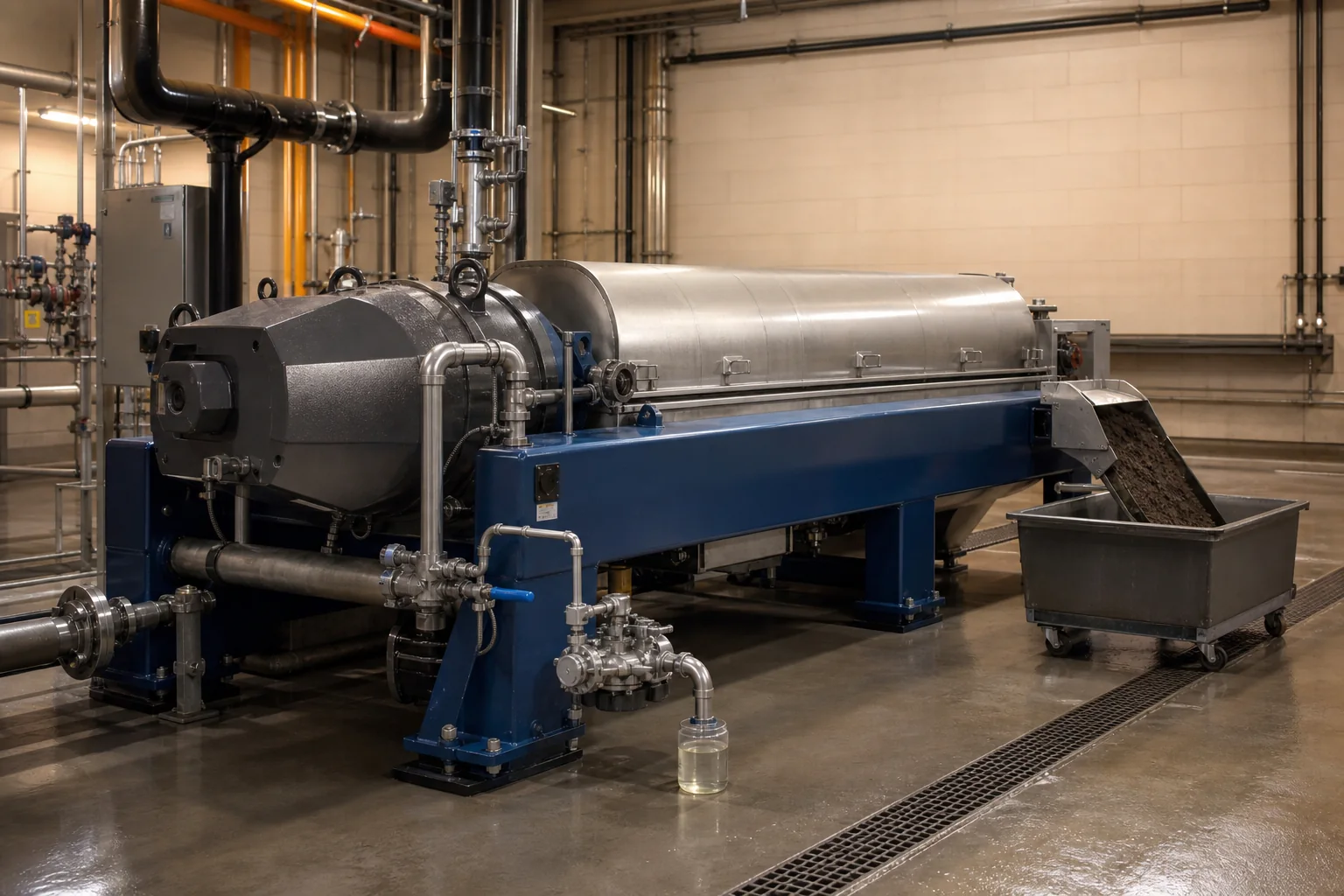
Where a centrifuge is used, preserve bowl and differential settings, feed rate and torque context while assessing chemistry. Sample centrate and cake after stabilization, excluding transitions. A dryness gain should be read beside capture and machine loading, not treated as the only purchase gate.
State the centrate return route and its relevant plant monitoring requirements. Lower suspended solids do not demonstrate removal of dissolved constituents. If return-liquor treatment is part of the project, assess that duty separately rather than attributing unmeasured benefits to the sludge polymer.
Make the trial cover realistic process variation
Repeat a preferred candidate over more than one credible digestate condition and record which thermal-hydrolysis and digestion states were represented. Define the conditions requiring another screen, such as a material feed blend or upstream process change. The approved range should reflect evidence rather than a generic technology label.
Request enough trial supply for baseline, clearance and repeated operating points, with code-specific documents and active basis. Preserve the connection from sample to production lot. A supplier's experience with this sludge category can justify a focused shortlist, but routine purchase approval still requires the plant's measured separator outcome.
Prepare a focused sample and quotation request
Send the thermal-hydrolysis and digestion sequence, current separator feed condition and the centrifuge trial record. Identify process windows not yet sampled and request a qualification supply that can cover repeats rather than a technology-labelled universal grade. Preserve the baseline from the corresponding operating qualification.
Related purchase checks: Polymer for Aerobically Digested Sludge on Screw Presses: Purchase Requirements; Changing Sludge Dewatering Polymer Supplier: Plan a Fair Crossover Trial. Submit the defined requirement with the sludge polymer sample and quotation request.